

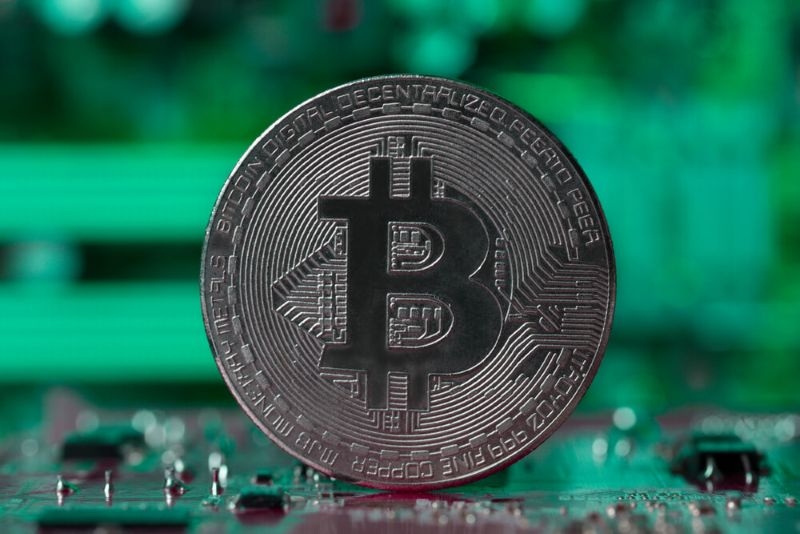
Cryptocurrency has moved from an obscure internet topic to a global financial market valued in trillions. Bitcoin has passed the $1 trillion mark multiple times in the past few years alone, while millions of new investors have poured in in search of opportunities. However, the digital asset sphere can seem intimidating and risky to newcomers. Unlike traditional investing, the crypto markets move 24/7, prices can change rapidly, and trends can form overnight, making learning about and understanding these investment areas before putting money down more crucial than ever. Whether you're curious about Bitcoin investment, looking into digital currency investment, or searching for basic tips for crypto trading, here is a look at what every beginner needs to know before starting to invest.
New investors will notice very quickly how quickly prices can change. Bitcoin, Ethereum, and other digital assets can rise or fall by 10% or more in a single day. Bitcoin itself reached an all-time high of just under $69,000 in 2021 before falling again with broader market corrections. Although this volatility offers the potential for profits, it also carries significant risk. It is often suggested that you invest what you can afford to lose, and successful investment in this space is often about patience, emotional stability, and realistic expectations rather than the get-rich-quick schemes one might imagine.
To understand the digital assets, you need to understand the technology that powers most of them. These assets are commonly run on a blockchain, which is a distributed ledger that is securely and cryptographically signed. This is unlike typical banking systems, which run on a central server. The technology is what many investors believe will power growth across industries such as finance, gaming, logistics, and digital payments. The more a trader understands the technology, the less of an easy target they will be for speculative trends online.
For most new investors, an investment in Bitcoin will serve as their first entry into the crypto markets. Bitcoin is still the most widely adopted digital asset and has the largest market cap. While there are thousands of digital assets out there, Bitcoin has the least risk of all the alt coins, and new investors may start there before branching into areas like Ethereum, Solana, or other new blockchain projects. Learning how Bitcoin reacts to inflation and economic trends will also help you understand broader market movements.
Security is one of the most overlooked aspects among new traders. Unlike banks, when your digital assets are gone or sent to the wrong address, there is no real way to get them back. Tips for crypto trading include:
Many new investors jump into crypto, hoping to buy the dips and sell on the peaks, but the reality is that even experienced traders can struggle to time the market consistently. Instead of making emotional decisions based on sensationalized news headlines or social media hype, many investors employ dollar-cost averaging in their investment for a crypto strategy. Investing a set sum of money on a regular basis regardless of the market price. Taking a longer-term investing approach will alleviate emotional stress and help investors avoid panicky buying or panic selling. Investors also use tools such as stockprices.com to track markets across the board, including stocks and crypto.
Regulations are constantly evolving in many different countries, and many of them now require you to report capital gains, capital losses, and any other transactions that have been made. In the United States, the IRS treats digital currency as property, meaning that profits are subject to capital gains tax. You will also need to understand that regulations can often have a major influence on prices, and in the past, changes to regulations by governments or central banks have caused a significant reaction in crypto markets. Learning about the tax laws before you invest will prevent complications.
The continued interest in crypto stems from many factors. The following is just a small fraction of what there is:
Big businesses of all sizes, as well as financial institutions and many governments, are beginning to investigate the potential of blockchain and the investment opportunities it presents.
While there are many investment opportunities in the world of crypto, it also carries significant risks, the most extreme of which is the potential for loss. These are just a few of the biggest ones.
Many new investors end up losing money to online scams rather than because of the speculative nature of the assets.
Try This: Smart Start Investing With Little Money for Growth Guide
Crypto investment can be a very exciting prospect, but a cautious, educated, and realistic approach is needed. The digital asset space is volatile and fast-paced, and emotions and bad information tend to spread quickly. The potential for avoidable losses can be reduced by being familiar with volatility, blockchain, security, and long-term investment strategies. In addition to investigating Bitcoin, as an individual wanting to explore "how to invest in cryptocurrency" for the first time, you have more to learn than to gain by falling for the hype. Smart investors focus on doing their homework and are patient and disciplined decision-makers rather than risk-takers. As digital currency investment becomes increasingly normalized globally, investors who set themselves up with solid research and sound strategies today will be better prepared for what lies ahead.
Most financial professionals will tell you to invest a small amount of money in crypto at first, particularly as a beginner. Knowing that the money you invested can be lost will help you to make emotion-free choices and get a good feel of the market. You will want to consider starting your investment with an amount you are happy to invest each month.
Both crypto and stocks are excellent options, but they offer distinct benefits. When you buy stock, you're buying ownership in the business for the long term, so it's an arguably more stable investment. Crypto investment is much riskier but also has much higher potential returns. Most people should include a mix of stocks and digital currency in their investment portfolio rather than putting all of their resources into one or the other.
Yes. If prices fall too low or if a scam takes over your account, you can definitely lose your investment. With some projects, you can lose everything, while with others, it is less likely you will. So, invest wisely in crypto with proper investment.
This content was created by AI