

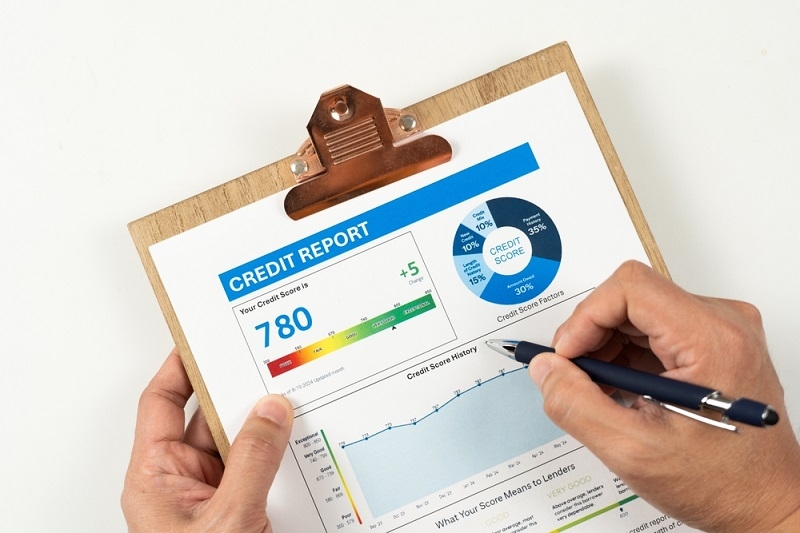
Personal finance management involves a good strategy to Improve Credit Score Fast in a fluctuating economy. The Payment History Impact on Credit is an essential element for anyone wanting to enjoy low interest rates. By prioritizing Credit Utilization Ratio Tips, one can notice a significant change in their position in a short period of billing cycles. High interest rates mean that it is costly to have debts, and therefore, measures must be taken to achieve stability. We will now discuss the best methods to improve a financial position and make sure that creditworthiness is not compromised.
The most significant portion of a credit score comes from whether a person pays their bills on time. This factor often accounts for thirty-five percent of the total calculation. To Improve a Credit Score Fast, one must ensure that every bill is paid on time.
The Payment History Impact on Credit is the foundation of your financial reputation. Lenders want reliability when borrowing costs are high. Consistency over time builds the trust needed for better loan terms and credit limits.
The amount of available credit being used is the second most important factor. Experts suggest keeping the balance below thirty percent of the total limit. However, those who want to improve their Credit Score Fast often aim for a ratio below ten percent.
Following Credit Utilization Ratio Tips helps keep your score high, even with multiple accounts. This is one of the most effective Credit Score Improvement Strategies because it can be adjusted quickly. Most banks report to bureaus once a month, resulting in quick results.
Sometimes a low score is caused by an error on the part of the bureau or a lender. Checking Credit Report Errors is a fundamental step in any financial cleanup. Look for accounts that do not belong to you or payments marked as late that were on time.
If an error is found, a formal dispute must be filed. This process is a key part of Credit Score Improvement Strategies that many people overlook. Checking Credit Report Errors ensures that the score reflects your actual financial behavior rather than a simple mistake.
For those with no history, Building Credit with Secured Card accounts is a reliable path. A secured card requires a cash deposit that serves as the credit limit. This deposit serves as collateral, reducing the bank's risk.
Using a secured card to build credit shows lenders that a borrower is responsible. Many banks will eventually return the deposit and upgrade the account. This is a foundational step for anyone starting from scratch in a high-interest environment.
A holistic approach is better than focusing on just one area. Mixing different types of credit, such as a car loan and a card, can help. However, never take out a loan just to build credit if it means paying interest. Credit Score Improvement Strategies should prioritize saving money.
Using Credit Utilization Ratio Tips in combination with these strategies creates a powerful upward trend. The Payment History Impact on Credit will gradually improve as these new, positive accounts age. Success comes from making small, smart choices every day.
The highest scores belong to those with decades of history. The length of time an account has been open matters significantly. This is why it is wise to keep the first credit card ever opened active to show a long track record.
The Payment History Impact on Credit is deeply tied to the age of your oldest accounts. Every month with a perfect record adds to the profile's strength. In a high-interest economy, a high score is the best defense against expensive debt.
Checking Credit Report Errors help spot identity theft early. If a new loan appears that was never authorized, it is a sign of fraud. Quick action can prevent the thief from causing further damage to your credit score and financial health.
Credit Score Improvement Strategies must include a plan for identity protection. Maintaining an accurate report is just as important as paying bills on time. Taking the time to audit these documents once a year is a high-value habit for everyone.
Building Credit with Secured Card tools is just the beginning. The goal is to move toward traditional products with better rewards and lower rates. This transition happens faster when the user is disciplined with their spending habits and keeps debt low.
Consistency is the most important part of any financial plan. Small, smart choices lead to big results over time. Whether it is paying down a balance or Checking Credit Report Errors, every action counts toward a better score.
It takes time and effort to better a financial situation. By keeping your focus on the Payment History Impact on Credit and following the Credit Utilization Ratio Tips, you will be able to notice improvements. Keep doing the right thing when it comes to payments and maintain low debt to better your score and secure your future.
One can Improve a Credit Score Fast by paying down high credit card balances to lower utilization and disputing any errors on the credit report.
The Payment History Impact on Credit is the most significant factor in a score, as it tracks whether a borrower pays their bills on time.
Yes, Building Credit with Secured Card accounts is an excellent way for beginners to establish a positive history by using a cash deposit as collateral.
Checking Credit Report Errors ensures that the score is based on accurate information and helps identify potential identity theft or clerical mistakes by lenders.
This content was created by AI