

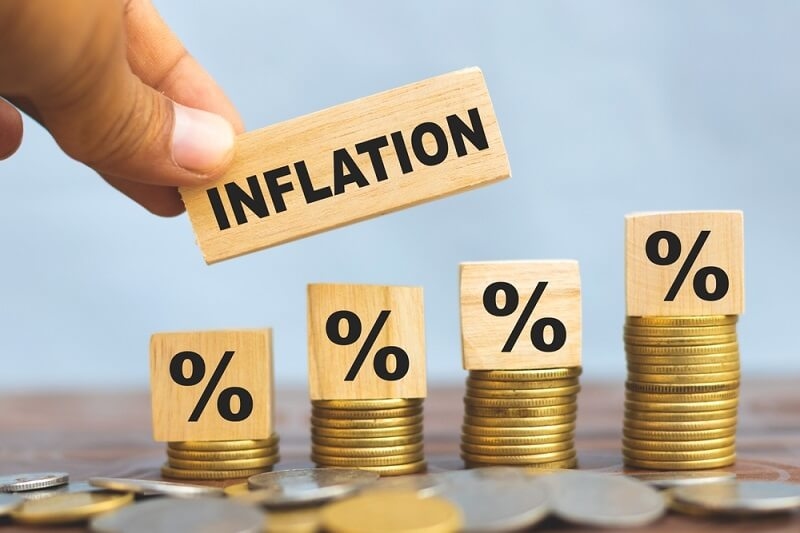
The impact of inflation on personal finances becomes evident when everyday prices rise while income remains essentially unchanged. Grocery trips cost more than expected, utility bills grow slowly each month, and subscriptions quietly eat into cash. Rising interest rates worsen the problem by making borrowing more expensive, while their effect on savings reduces the value of stored money later. Inflation rarely feels sudden. It builds over time and changes daily decisions without much warning. Budgeting during high inflation becomes less about growth and more about control. Cost-of-living increase strategies help households adapt rather than panic. Managing expenses during an economic downturn helps keep finances steady amid uncertainty.
By understanding the effects of inflation, people can respond rather than react to inflation. When individuals make choices with intention, inflation is much more likely to be viewed as a manageable issue rather than an overwhelming one.
The gradual nature of inflation will decrease the value of personal finances. Inflation caused by slight price changes over a wide range of goods will eventually compound into a significant impact on consumers. A couple of extra dollars here and there for groceries, fuel, and housing/rent may not seem like much, but when they accumulate over the course of a year, they can easily add up to hundreds of dollars in extra expenses. Besides the additional cost of day-to-day living expenses caused by inflation, savings continue to come under pressure from higher interest rates, as the interest earned on savings does not keep pace with rising inflation.
When inflation occurs, planning for your financial future by understanding the actual value of your savings will help avoid disappointment when you use those savings later. For example, if you have a savings account that grows at an average of 2%, but the average price increase on products and services is above 4%, then when you come to use your savings in the future, they will have lost purchasing power.
Changes in Debt during Inflationary Times. Rising interest rates raise the cost of borrowing relative to the initial cost of borrowing. Add to that the rising cost of everyday living, and it becomes increasingly complex for consumers to manage their finances. If you have debt, as rates rise and the cost of living increases, you will see your monthly payments rise significantly.
Debt with a variable rate will be affected first by rising interest rates. Credit cards, adjustable-rate mortgages, and some personal loans will quickly respond to increasing rates.
Managing expenses in an economic downturn often starts with reducing high-interest debt. Lower debt payments free up cash for essentials. Budgeting during high inflation becomes easier when debt is under control.
The effect of rates on savings is confusing for many households. Higher interest rates sound helpful, but inflation often rises faster. The impact on personal finance becomes clear when long-term goals require more money than planned.
Savings accounts, certificates, and fixed-income options may grow slowly during periods of inflation. Even when balances increase, buying power may still fall.
Inflation-proof financial planning includes regularly reviewing savings goals. Adjustments keep plans realistic. Ignoring inflation leads to shortfalls later, even with disciplined saving habits.
Budgeting during high inflation works best when it stays simple. Complex systems often fail when prices change rapidly—inflation's impact on personal finances requires frequent updates to spending plans.
The goal of budgeting shifts from perfection to awareness. Knowing where money goes allows faster corrections.
Cost-of-living increase strategies naturally fit into budgeting. Small monthly changes protect long-term stability. Managing expenses during an economic downturn becomes easier when spending is transparent.
Cost-of-living increase strategies focus on control rather than fear. Cutting everything at once often fails. Gradual changes work better and feel sustainable. Inflation's impact on personal finance feels lighter when spending choices are intentional.
Managing expenses in an economic downturn becomes more effective when these steps are consistent. The rate's effect on savings improves slightly when spending leaks close.
Managing expenses in an economic downturn requires prioritization. The impact of inflation on personal finance becomes less damaging when essentials are protected first. Rising interest rates increase the importance of staying current on obligations.
Optional spending can be adjusted without harming long-term stability. Budgeting during high inflation supports these decisions by showing where flexibility exists.
Inflation-proof financial planning focuses on flexibility, not prediction. Markets and prices shift, but firm plans adapt. Inflation's impact on personal finance becomes easier to manage when planning stays grounded.
The rate's effect on savings improves when money is allocated by purpose. Short-term needs stay liquid. Long-term goals focus on growth potential without excessive risk.
Confidence comes from understanding patterns, not guessing outcomes. The impact on personal finance feels less stressful when households focus on controllable actions. Clear communication helps everyone stay aligned.
Cost-of-living increase strategies work best when decisions are shared. Managing expenses in an economic downturn becomes smoother with teamwork and planning.
Inflation's influence on personal finances is subtle, affecting how people spend, save, and plan for the future. As interest rates rise, savings are pressured, and overall costs increase, the challenge becomes maintaining stability. Individuals and families can keep their finances stable by employing a steady budgeting method throughout periods of high inflation, utilizing innovative methods to calculate cost-of-living adjustments, and using flexible, inflation-proof financial planning techniques; thus providing a sense of balance within the household during times of uncertainty.
Inflation reduces buying power over time, making everyday needs cost more even when income stays the same.
Rising interest rates increase debt payments, reducing available cash and making budgeting harder.
Savings may grow more slowly than prices, lowering real value even as account balances increase.
Yes, budgeting helps track changes early and adjust spending before financial stress builds.
This content was created by AI