

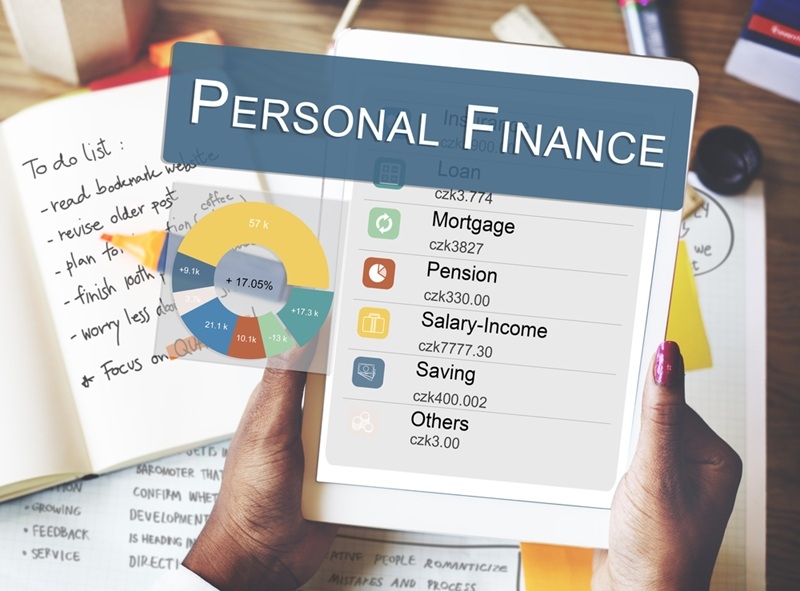
Managing money used to be all about scribbling in notebooks and battling with spreadsheets. It took ages, and honestly, it was a hassle. Now, with a smartphone in your pocket, personal finance apps do the heavy lifting. You can track your spending, set up budgets, save automatically, and stay on top of bills — all from one place.
This blog will break down the different types of tools out there, how they actually work, and how they make it easier to make smart choices with your money.
They save you time and keep stress in check. Instead of guessing where your money disappears to, these apps lay it out for you—clear as day.
Most of them link straight to your bank accounts, sorting your transactions automatically. You spot spending patterns fast and can change your habits right away. The more you use them, the more you notice about your own money habits. And that’s the first step to actually managing your finances.
Another big reason people love these apps? You can check your accounts anytime, anywhere. That kind of access makes it way easier to stay consistent.
Budgeting is the backbone of good money management, but getting started can feel overwhelming. Beginner-friendly budgeting apps take away the fear factor. They’re easy to set up, walk you through each step, and use charts to make everything clear. You see what’s coming in, what’s going out, and what you’re saving—no tricky math required. Some apps even set spending limits for you and give you a heads-up if you’re about to go overboard.
When you use these apps, you start building healthy habits right out of the gate. Budgeting stops feeling like a chore and starts to feel normal. You get more confident and in control as you go.
Expense-tracking mobile apps focus on showing you exactly where your money’s going, day by day. Every purchase gets logged and sorted, and you can see it all at a glance.
These apps are eye-opening when it comes to all those little things—coffee runs, streaming subscriptions, random splurges. Once you start tracking, those small expenses aren’t invisible anymore.
The more you track, the more aware you get. That awareness pushes you to budget smarter and make better decisions without even thinking about it.
Saving money is tough when you’re just relying on willpower. Automatic savings apps take that out of the equation. They study your income and spending, then skim off small amounts to stash in a savings account—without you having to lift a finger.
Because it happens automatically, you save steadily and barely notice the money leaving your checking account. These tools make it easy to build an emergency fund, reach short-term goals, or simply start saving regularly. Those small transfers grow faster than you think.
If you’re new to handling money or just want things to feel more organized, these apps help you take charge—no stress, no endless calculations.
It's never fun when an overdue bill arrives because of a missed due date. You receive a surprise late fee in addition to the existing stress of having missed making the payment. You can use bill reminder apps that will notify you of a due date prior to being due, so you have time to make a payment and no longer have to worry about forgetting.
Some applications that send notifications also track replacement due dates, allow the setting of payment reminders, and will even help you pay your overdue bill if the app allows electronic payment to be made.
If you’re managing a bunch of bills or have payments scattered across the month, these apps really help you stay organized and protect your credit score at the same time.
Budgeting for groceries and rent matters, but long-term goals—like buying a house or saving for retirement—are just as important. Digital financial planning tools help you map out those bigger dreams.
These tools let you set goals, keep an eye on your progress, and even show you where your habits might lead. You start to see how every purchase affects your bigger plans. Suddenly, thinking about the future isn’t just some vague idea—it actually feels possible.
Mix these tools with your regular finance apps, and you get the whole picture. You see exactly where your money goes now, and you actually get a sense of what it can do for you later.
Most people don’t settle for only one app. Maybe you’ve got a budgeting app to track what you spend every day, plus an automatic savings app quietly moving money aside in the background. It’s all about building a system that works together, so you’re not constantly stressing about each little financial decision.
A lot of these apps talk to each other or pull from the same accounts, so you get a smoother experience. Budgeting, saving, and tracking all start to click together. Mixing and matching lets you build a system that actually fits your life and your financial goals.
Let’s talk about trust. You want your personal information to be safe. Many financial applications protect your information through encryption and/or secure connections.
Finances should be secure, so don't simply select the first application that you come across, but rather ensure that it has strong measures in place regarding how secure its user data is, as well as having clearly defined measures regarding users' privacy rights. Look for strong logins—like two-factor authentication—and apps that don’t make a habit of selling your data.
The best apps are upfront about how they protect you. When you know your information’s safe, it’s a lot easier to focus on your finances.
There’s no perfect app for everyone. Some people want simple budgeting tools, others need advanced planning features.
Start by figuring out your main struggle. Overspending? Go with an expense tracker. Having trouble saving? Look for a solid automatic savings app. If bills are tripping you up, bill reminder apps keep you on track.
The most important thing? Pick tools you’ll actually use, not just download and forget.
Success comes from building habits. Checking your finance apps every day keeps you aware and accountable. Little by little, these small steps grow into real, lasting improvements.
A budgeting app helps you stick to your limits. Expense trackers help users see exactly where their money goes. Automatic savings apps are silently working in the background to grow users' savings account balances. Bill reminders help users avoid paying late fees. Planning tools help keep users focused on achieving their long-term goals.
When these things are used together, managing money becomes much easier. You feel more in control, and the stress drops away.
Personal finance apps have revolutionized the way individuals manage their money. These applications are useful from the budgeting stage for beginners to the automatic savings process, as they make financial activities less challenging and more organized.
If used regularly, personal finance apps will make money management easier and thus contribute to the establishment of a stable financial future.
Certain personal finance apps are actually targeted at beginners. Besides, the app-guided setup and simple features make these apps friendly to new users.
By using budgeting apps for beginners, users become aware of their spending and are able to set limits. In fact, these two factors generally result in better control.
Comprehensive security measures are generally employed by most automatic savings apps. If you wish to be absolutely sure, always check the privacy policies before you connect your accounts.
In general, digital financial planning tools are very useful for basic financial planning; however, for the complicated ones, the assistance of a professional is still needed.
This content was created by AI