

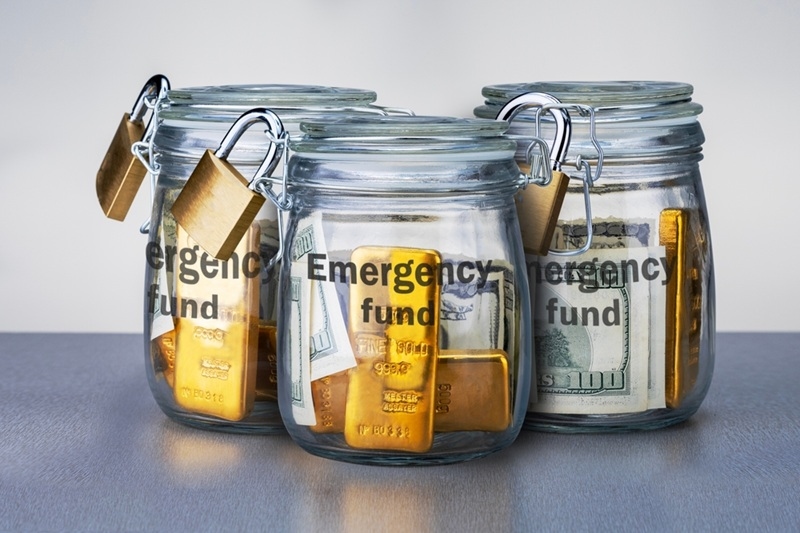
Today, in a world of economic surprises, creating an emergency fund is no longer a luxury; it is a necessity. Whether your goal is to find out how much should be in your emergency savings accounts, learn how to build your emergency fund quickly, or work on the benefits of a high-yield savings account for emergency savings, having a solid plan will help secure your future. A healthy emergency fund will also serve as a recession-resistant way to save money while giving you some practical tips on how to create an emergency fund if life throws you an unexpected curveball. For example, an unexpected medical expense, such as an urgent home repair, can cause major financial problems overnight. According to the Federal Reserve Survey of Consumer Finances, nearly half of Americans would struggle to come up with $400 in cash to pay for an emergency without borrowing, which is why it is so important to have an emergency fund as part of your financial plan.
An emergency fund gives people a financial cushion against debt and stress caused by unexpected changes in their financial lives. For instance, even small bumps in the road can derail several years' worth of effort towards getting ahead financially.
The Consumer Financial Protection Bureau suggests an emergency fund should have enough to cover basic living costs so that you can sustain your day-to-day life while searching for alternate sources of income, if necessary. Another resource is USA.gov, which suggests building an emergency savings account over time by making small contributions regularly.
Determining how much you need in an emergency savings account depends on your lifestyle, commitments, and job security. Generally speaking, the average person is advised to save 3 - 6 months' worth of living costs in an emergency fund, but if you are self-employed or run your own business, you should probably aim for three to nine months to cover your living costs.
Follow these steps for calculating how much money you should have in your savings account for emergencies:
1) List your monthly expenses - i.e., loan payments, groceries & food, utilities & utilities bills, transportation costs, and insurance.
2) Then multiply your total by 3 - 6 months.
3) If your monthly income is inconsistent, multiply your 3-6 month amount by roughly 10%.
This method for calculating how much money you need saved for emergencies helps you turn an abstract concept into a concrete dollar amount. Assess annually as needed to ensure your savings keep pace with your changing financial condition.
If saving feels really difficult, knowing that creating an emergency fund quickly requires a plan in place will help you get started on building a solid emergency fund.
Set up automatic transfers from checking to savings immediately after payday. By automating this process, you take away your ability to tempt yourself with your money and help you achieve your goal of building an emergency fund. Even depositing 10% of your income regularly over time can add up to a significant amount.
Find ways to temporarily eliminate or cut back on some of your discretionary spending—such as subscription services, eating out, or impulse buying—and then use the money you save to build an emergency fund quickly. You would be surprised at how much can be saved by making minor changes (or adjustments) to your lifestyle.
Choosing where you are going to save your emergency fund is one of the best ways to help you achieve success in your emergency fund planning effort. Banks typically offer very low returns (which is why online banks are usually better options). Online banks provide much more attractive rates.
FDIC guarantees deposits up to the legal limits in the event of a bank failure, so you can feel confident about using an online or traditional Savings account. The benefits of using a high-yield savings account include:
By using the advantages of high-yield savings accounts, you can grow your money over time, while enjoying the ability to access your funds immediately without incurring any penalties or fees.
A successful recession-proof savings strategy includes discipline, diversification, and foresight.
Emergency funds should not be invested in volatile (risk-prone) assets because there is a risk that the value of the emergency funds will be reduced during a market downturn when you need access to your emergency fund the most. Therefore, your emergency funds should be parked in stable (safe), bank-insured accounts and follow best practices for emergency fund planning.
Liquidity is key to your financial safety net, so you can withdraw your emergency funds with just a few days’ notice (without being tied up in long-term investment accounts or other illiquid assets). This will ensure your financial safety net remains practical and workable.
When you use your emergency fund, rebuild it as soon as possible. Make rebuilding an emergency fund a top financial goal. Emergency fund planning is ongoing, not a one-time event.
A recession-proof savings strategy that is durable and resilient includes provisions for potential income shortages, inflation, and unexpected global events. A resilient, durable savings strategy helps you respond calmly rather than react emotionally.
A strong financial foundation and a long-term vision work together to help you achieve your goal. Below are some tips to help you create financial stability through your safety net:
These tips will improve your financial discipline and support your overall retirement savings strategy during a recession.
At the very basis of any plan for building your emergency fund is a sense of confidence, control, and clarity. It helps you determine how much money to set aside for emergencies based on your specific lifestyle; provides a roadmap to quickly build your emergency fund; and enables you to take advantage of the benefits of keeping your emergency fund in a high-yield savings account for long-term security.
By creating an organized plan for building recession-resistant savings, together with other essential financial safety net tips and strategies, you set up a solid foundation upon which to achieve all other financial goals (investing, buying a home, etc.).
Although it may take some time to achieve financial stability, with consistent emergency fund planning, it is possible.
Most experts recommend creating three to six months' worth of essential expenses. But if you have fluctuating income (or dependents), you might want to consider saving up to 9 months’ worth of expenses for greater protection and an adequate financial cushion.
Be sure to make automatic, smaller transfers to your financial safety net; use your windfall wisely; use insured accounts; and record your basics regularly. By doing the things mentioned previously (in that order), you’ll be able to continue to create a financial safety net without putting a strain on your monthly budget.
Set up automatic transfers to your emergency fund; make minor reductions in expenses (for things you don’t need); and establish a separate savings account and deposit any unexpected income into that account. Consistency is much more important than the amount of the deposit; therefore, you can establish your emergency fund quickly and without disrupting your daily financial situation.
This content was created by AI